If you’ve spent half an hour on LinkedIn, you’ve probably heard people (mainly me) banging on about playful brands. But what is a playful brand?
What does it mean?
Silly? Funny? Unprofessional?
All, some or none of these things?
Whichever it is, everyone seems to want to sound playful these days. But what is a playful brand? Should you want to be too? Can you be? How? And will it make your audience leg it?
A playful brand isn’t just a brand that’s fun
Okay, straight off the bat, I wanna tell you that being a “playful brand” doesn’t mean a business that’s cheeky and silly. That litters their marketing with emojis and jokes, has bright, colourful branding and maybe has a bonkers-looking mascot.

It can be that, but mostly, it’s not.
It’s a brand that:
- Treats people like humans, not cattle
- Isn’t afraid to show personality
- Is comfortable being a human, honest or even silly without losing credibility
- Uses language, visuals, and behaviour to create joy, curiosity, or a sense of connection
Playfulness is a way of relating to people, not just a style.
Playful brands feel human
One of the clearest signs of a playful brand is that it feels like there’s a real person behind it.
Not a faceless company with a bland corporate voice. A human being with opinions, quirks and a sense of humour (that you don’t have to shoehorn into every piece of copy or social post).
Playful brands often:
- Speak directly to the reader
- Admit when things are a bit messy or complicated
- Aren’t afraid to show mistakes or learn out loud
That makes them feel more trustworthy, even when they’re being silly.
Playful brands have a clear point of view
Playfulness doesn’t mean making a joke of everything and sitting on the fence.

In fact, playful brands tend to have a strong point of view. They just express it in a lighter, more engaging way.
A playful brand might:
- Have a clear stance on what it stands for
- Not be afraid to disagree with the status quo
- Make its personality obvious in headlines, microcopy and tone
- Use wit, irony, or gentle teasing to make a point
That’s what makes them feel like a proper brand rather than just a generic business with a smile.
Playful brands use language in a clever way
If you’ve tried to sound playful loads but can’t get a hang of it, this is where a copywriter usually comes in.
A playful brand doesn’t just use standard, safe language. It plays with words in a way that feels intentional and memorable.
That can look like:
- Puns and wordplay that are actually clever, not forced
- Unexpected headlines that make you stop and read
- Microcopy that feels warm and human, not robotic
- Fun on-pack copy, like on the bottom of a box or inside the flap when you open it
- Interesting taglines, not stuff like, “We specialise in innovative solutions“
You’re not just being clever to prove a point, you’re writing words in a way that makes your brand feel like a person wrote them.
An obvious playful brand: Beano
When you hear “playful brand“, you’ll probably picture something like Beano.
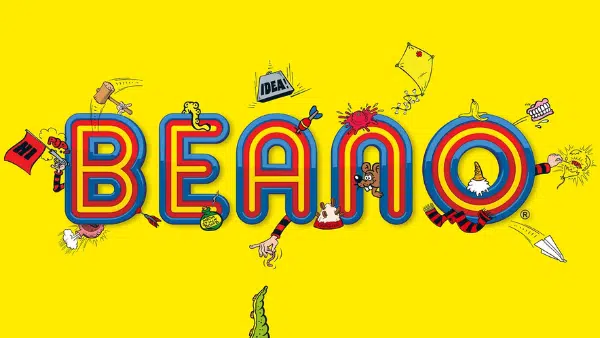
If not that, maybe for you it’s LEGO, Innocent, Who Gives A Crap?, Swizzels, or Surreal.
But let’s stick with Beano. The Beano is a comic brand that’s been around for decades. It’s built on mischief, pranks and characters who constantly cause chaos, like Dennis the Menace, Minnie the Minx and The Bash Street Kids.
It’s colourful, chaotic, full of jokes and aimed at kids (but adults still love it too).
The tone is playful in the most classic sense:
- Jokes and puns everywhere
- A sense of mischief and rebellion
- A voice that feels like a cheeky mate rather than a publisher
- visuals that are bright, busy, and full of energy
No one would argue with calling Beano a playful brand. It’s the textbook example of an obvious, no‑doubt‑about‑it playful brand.
But if you think playful brands are only for kids’ comics, sweets, toys, or party stuff, you’re wrong.
A surprisingly playful brand: Maptastic
But what about a geospatial analyst?

It’s about mapping ecological areas, buildings and data. As a subject, it’s quite dry, technical and, in owner Claire’s own words, “A little bit boring if you don’t work in the industry.”
But Claire is anything but dull.
When she’s not speaking at ecology events and making the audience laugh, her website copy is threaded with her personality:
- “Bring it on!”
- “Pretty cool, eh?”
- “Ouchies!”
- “It’s just a map, it’ll be reet!” (she’s from Bradford)
All bits of copy taken from Maptastic web pages and articles, and not little sayings and phrases you’d expect when talking about Biodiversity Net Gain.
It’s an industry by its own admission, a tough one to make fun, but Claire’s copy absolutely is!
Playfulness isn’t about the industry
As you can tell by now, being playful has nothing to do with the industry a business is in.
A playful brand can be:
- A comic that’s all about chaos and pranks
- A geospatial mapping service that makes data feel human
- An accountancy firm that makes tax feel less terrifying
- A vintage fashion brand that makes retro shopping feel like an adventure through time
Playfulness isn’t about what you sell. It’s about your tone and the way you talk to people.
A playful brand is consistent, not random
Playfulness can work for brands, whether big companies or small businesses, as long as it’s consistent.

A playful brand isn’t playful in headlines and corporate in the footer. It isn’t playful on social media, but painfully dull on its website. If you’re going to show personality, it’s got to be:
- Consistent across the website, emails, social, and packaging
- clear in its tone, even when it shifts between playful and serious
- Aligned with the brand’s values and audience, not just what mood the CEO or marketing team are in
- Used to support the brand’s goals, not to distract from them
That’s what makes it feel like a real brand, not a business trying to be painfully on-trend randomly, like piling on about Spotify changing its logo to a disco ball or that couple getting caught on camera having an affair at a Coldplay concert.
What a playful brand isn’t
So, you’ve had it drilled into you now about what is a playful brand, but what isn’t it?
Well, it isn’t a brand that:
- Tries too hard to be funny
- Uses jokes that don’t land
- Is confusing or inconsistent
- Sacrifices clarity for quirkiness
- Playful on socials but corporate everywhere else
Playfulness only works when it’s not random.
Why playful brands work well on LinkedIn
Playful brands do especially well on LinkedIn because, even though it’s much more like Facebook now (apparently, I came off that in 2018), brands are still overly formal.

Playful brands:
- Cut through the noise
- Stand out in feeds
- Make professional and sometimes dry topics feel more human
- Build relationships instead of just pushing their services
- Get people to engage and share rather than scroll on by
That’s why posts from playful brands are more memorable, even when they’re talking about serious stuff.
What being more playful can do for you
If you’re a founder, marketer or business owner, playful branding isn’t about adding a few jokes or bright colours. It’s about making your brand feel more like you, more memorable and more human.
So, this will show as:
- Your website feeling more like you and less like everyone else
- Copy that sounds more like how you actually talk
- An audience that feels more at ease with you
- A brand that sticks in people’s minds more easily,
- Standing out without having to shout louder than everyone else
Why wouldn’t you want that?
Playful copy is for pretty much everyone
It doesn’t matter if you’re Beano, LEGO, Swizzels, Maptastic or Attain Accountancy, playful copy is for pretty much everyone.
If you want to add way more personality to your copy, get in touch and let’s chat about how I can help.
Until next time,
Matt
PS. To learn more about playful copy, check out my article, 15 ways to write in a chatty tone of voice (with examples).